Dubai is accelerating its transformation into one of the most cycling-friendly cities in the Middle East. The Roads and Transport Authority (RTA) has announced the completion of 13 new cycling tracks, marking a significant milestone in the emirate's ambitious plan to deliver a fully integrated 1,000-kilometre bicycle network by the end of the decade. The new corridors form part of a broader master plan encompassing 15 routes that stretch across 162 kilometres of dedicated cycling infrastructure.
A City Reimagining Urban Mobility
For decades, Dubai's urban identity has been defined by car-centric infrastructure. However, a fundamental shift is underway. The RTA's master plan focuses on creating corridors that serve genuine commuting purposes, linking residential neighbourhoods with commercial hubs, metro stations, bus stops, and leisure destinations.
Key Objective: The RTA's cycling master plan reinforces first- and last-mile connectivity, bridging the gap between public transport stops and final destinations that has historically discouraged residents from leaving their cars at home.
Also Read
Key Corridors Reshaping Dubai's Mobility
Al Khawaneej to Al Mamzar Beach
This corridor links one of Dubai's most established residential communities with the popular Al Mamzar Beach Park, providing a dedicated, uninterrupted route through several intermediate neighbourhoods.
Al Warqa'a to Saih Al Salam
This route traverses Dubai's inland geography, connecting the densely populated Al Warqa'a area with the Saih Al Salam desert conservation reserve, serving both commuters and recreational riders.
DIFC to Jumeirah
Perhaps the most symbolically important corridor, connecting Dubai's financial heart with the Jumeirah coastal strip. It sends a powerful message: Dubai wants professionals to consider two wheels as a serious alternative to four.
The Hessa Street Corridor: A Flagship Project
The 13.5-kilometre cycling and e-scooter corridor along Hessa Street connects Al Sufouh with Dubai Hills, designed for both bicycles and electric scooters. It passes through areas with schools, retail centres, and office parks.
Hessa Street Corridor
- Length: 13.5 kilometres
- Connects: Al Sufouh to Dubai Hills
- Modes: Bicycles and e-scooters
- Key Communities: Al Sufouh, Al Barsha, Dubai Hills Estate
Jumeirah Beach: 16km of Coastal Cycling
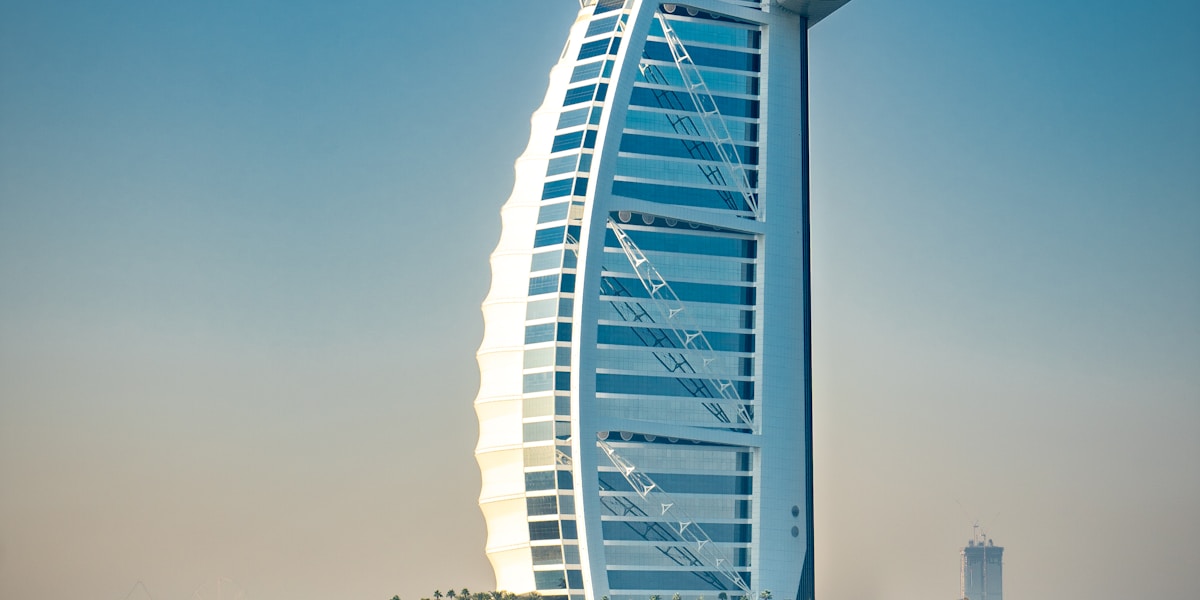
A 16-kilometre track along Jumeirah Beach offers views of the Burj Al Arab and the city skyline, serving both recreational riders and commuters with a north-south coastal artery. Rest stations, bicycle parking, and hydration points are incorporated along the route.
First- and Last-Mile Connectivity
The tracks connect directly to metro stations, bus stops, and tram terminals, creating a multimodal transport ecosystem. A resident might cycle to the nearest metro station, take the train, then complete the final stretch on a shared bicycle or e-scooter.
"When you remove the friction from multimodal journeys, you make sustainable transport the path of least resistance rather than an exercise in determination."
Urban Transport Planning Expert
E-Scooter Integration
Several tracks accommodate e-scooters alongside bicycles with appropriate widths, surfaces, and speed management. Designated parking zones address pavement cluttering. Data shows e-scooters are overwhelmingly used for 1-5km trips — precisely the first- and last-mile range.
Safety Infrastructure
Pedestrian and cyclist bridges at key intersections provide grade separation from vehicle traffic. Additional features include dedicated lighting, reflective markings, bollard-protected boundaries, and real-time monitoring systems.
Sustainability and Carbon Reduction
The network aligns with Dubai's Clean Energy Strategy 2050 and Net Zero Carbon Emissions Strategy 2050. The RTA estimates the 1,000km network could remove tens of thousands of short car trips daily, reducing emissions and congestion. Solar-powered lighting and native landscaping are incorporated.
Dubai 2040 Urban Master Plan Alignment
The 15 routes align with urban centres and growth corridors identified in the Dubai 2040 plan, which emphasises quality of life, green spaces, and sustainable mobility. Parks, nature reserves, and waterfronts are integrated into the network.
How Dubai Compares Globally
Dubai's 1,000km target would exceed Copenhagen's ~400km of cycling lanes. The emirate faces unique challenges — extreme summer heat, sprawling geography — but also advantages: modern infrastructure, strong governance, and a diverse, health-conscious population.
Health Benefits
A 20-minute cycling commute provides ~40 minutes of daily moderate exercise, exceeding WHO's weekly minimum. Regular cycling reduces heart disease risk by up to 50%, improves mental wellbeing, and supports weight management.
What Residents Can Expect
Well-maintained, clearly marked lanes physically separated from pedestrians and vehicles. Digital maps available through RTA apps. No special permits required. Future phases will be informed by usage data from the initial 13 tracks.
Tips for Using Dubai's Cycling Tracks
- Use the RTA's S'hail app for route planning
- Ride during cooler hours in warmer months
- Carry water and wear sun protection
- Obey posted speed limits in shared lanes
- Use designated parking areas
- Wear a helmet and reflective clothing
Frequently Asked Questions
How many new cycling tracks has Dubai completed?
13 new tracks as part of a 15-route, 162km master plan.
What is the 2030 target?
A 1,000km integrated cycling network connecting residential areas with commercial hubs, leisure destinations, and public transport.
Where does the Hessa Street corridor run?
The 13.5km corridor connects Al Sufouh with Dubai Hills, accommodating both bicycles and e-scooters.
Can e-scooters use the tracks?
Yes, several tracks are designed for both bicycles and e-scooters with appropriate lane widths and surfaces.
How do tracks connect with public transport?
They link directly with metro stations, bus stops, and tram terminals for multimodal journeys.