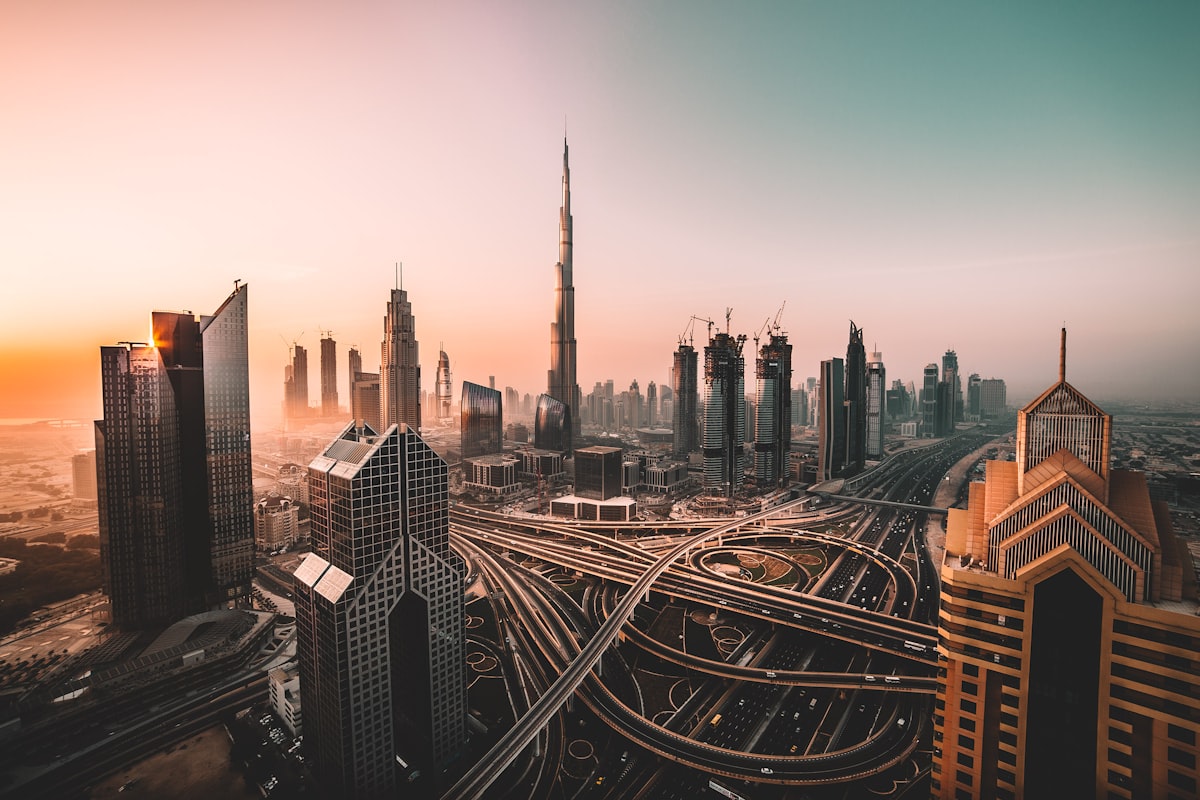
In a powerful demonstration of humanitarian resolve, Dubai dispatched over 22.3 metric tonnes of urgent medical supplies destined for the besieged Gaza Strip, where an estimated 110,000 Palestinians stand to benefit from the shipment. The aid delivery, organized through Dubai's world-renowned humanitarian logistics infrastructure, was executed even as the United Arab Emirates grapples with sustained aerial assaults from Iran — underscoring the nation's unwavering dual commitment to self-defence and global humanitarian responsibility.
This shipment marks one of the most significant humanitarian dispatches from the Gulf region in recent months, arriving at a time when regional logistics networks are under extraordinary strain due to the ongoing Gulf conflict that erupted on February 28, 2026.
22.3
Metric Tonnes of Medical Supplies
110,000
Gazans Set to Receive Aid
38+
Days Under Iranian Aerial Attack
#1
UAE Ranking in Per-Capita Aid (Historic)
A Humanitarian Lifeline Amid Regional Turmoil
The medical aid shipment, reported by The National on April 4, 2026, comprises a comprehensive range of essential supplies including pharmaceuticals, surgical instruments, wound-care materials, first aid kits, and other critical healthcare provisions. The consignment was assembled and dispatched through the International Humanitarian City (IHC) in Dubai — one of the largest humanitarian logistics hubs anywhere in the world — which has served as the nerve centre for countless relief operations over the past two decades.
Gaza's healthcare system has been in a state of near-total collapse for months. Hospitals across the territory have struggled with chronic shortages of medicines, surgical equipment, anaesthetics, and even basic consumables such as bandages and antiseptics. The arrival of 22.3 tonnes of supplies is expected to provide a much-needed reprieve, particularly for trauma surgery units and emergency departments that have been operating far beyond their capacity.
What makes this particular shipment stand out in the long history of UAE humanitarian operations is the extraordinary context in which it was carried out. Since February 28, 2026, the UAE has been subjected to daily missile and drone attacks launched by Iran, placing the country's critical infrastructure — including its ports, airports, and logistics corridors — under persistent threat. Despite these attacks, Dubai's humanitarian apparatus continued to function, channelling aid outward even as the nation channelled resources inward for its own defence.
"The UAE's decision to continue dispatching humanitarian aid while under direct military threat sends an unambiguous message to the international community: compassion does not pause for conflict. This is leadership defined not by convenience but by conviction."
— Regional humanitarian affairs analyst
Inside the Shipment: What the Aid Includes
The 22.3 metric tonnes of medical supplies were carefully curated based on the most urgent needs communicated by health authorities and aid organizations operating inside Gaza.
Core Components of the Medical Aid Package
- Pharmaceuticals: A broad range of essential medicines including antibiotics, pain management drugs, cardiovascular medications, insulin, and anti-inflammatory treatments.
- Surgical Equipment: Instruments and consumables required for emergency and elective surgical procedures, including orthopaedic fixation devices, suturing kits, scalpels, and sterilization supplies.
- First Aid Materials: Large quantities of bandages, gauze, antiseptic solutions, tourniquets, splints, and emergency trauma kits.
- Diagnostic Supplies: Testing kits, blood collection equipment, and laboratory consumables.
- Maternal and Child Health Supplies: Specialized provisions for obstetric care, neonatal units, and paediatric treatment.
Understanding the Scale
At 22.3 metric tonnes, this shipment is equivalent to approximately the cargo capacity of three large commercial trucks. The supplies are expected to serve roughly 110,000 individuals — representing a significant portion of Gaza's population that is in dire need of medical attention.
The Gulf War Context: Operating Under Fire
The broader geopolitical context surrounding this aid delivery cannot be overstated. Since the eruption of hostilities between Iran and the UAE on February 28, 2026, the Gulf region has been plunged into its most serious military conflict in decades. Iranian forces have launched sustained aerial campaigns against UAE territory, employing a combination of ballistic missiles, cruise missiles, and unmanned aerial vehicles in near-daily attacks.
The UAE's armed forces, supported by coalition partners, have mounted a robust defence, intercepting the vast majority of incoming threats through advanced missile defence systems. Nevertheless, the constant state of alert has placed enormous strain on the country's logistics and transportation networks. Airports have periodically operated under restricted conditions, shipping lanes in the Arabian Gulf have been subject to heightened security protocols, and overland transportation routes have required military escorts in certain areas.
Against this backdrop, the successful dispatch of a major humanitarian aid shipment represents a remarkable logistical achievement.
Dubai's International Humanitarian City: The Backbone of Relief
Central to the success of this operation is the International Humanitarian City, located in Dubai's Jebel Ali Free Zone. Established in 2003, the IHC has grown to become one of the world's premier humanitarian logistics platforms, hosting the forward bases of major international organizations including the United Nations World Food Programme, the International Federation of Red Cross and Red Crescent Societies, the United Nations High Commissioner for Refugees, and the World Health Organization, among others.
The facility spans a vast area and is strategically positioned near Jebel Ali Port — one of the largest container ports in the world — and Al Maktoum International Airport, giving it unparalleled access to sea and air freight routes connecting to every continent.
The International Humanitarian City at a Glance
- Founded in 2003 in Dubai's Jebel Ali Free Zone
- Hosts offices and warehouses for major UN agencies and international NGOs
- Located adjacent to Jebel Ali Port and Al Maktoum International Airport
- Processes millions of tonnes of aid supplies annually
- Provides customs-expedited, tax-free logistics for humanitarian goods
- Serves as a rapid-response hub capable of deploying aid within hours
Gaza's Humanitarian Crisis: The Scale of Need
The 110,000 people expected to benefit from this shipment represent only a fraction of the total population in Gaza requiring humanitarian assistance. The territory has been enduring one of the most severe humanitarian crises in the world, with its healthcare infrastructure degraded to a point where even basic medical services are unavailable to large segments of the population.
Hospitals that remain operational are overwhelmed, running with skeleton staff, intermittent electricity supplied by generators that frequently run out of fuel, and medical stockpiles that have dwindled to critical levels. Surgical teams have reported performing complex procedures without adequate anaesthesia, while chronic disease patients — including those with diabetes, hypertension, and kidney disease requiring dialysis — have faced life-threatening interruptions in their treatment regimes.
Malnutrition, waterborne diseases, and respiratory infections have compounded the crisis, especially among children under five and pregnant or lactating women. International health organizations have repeatedly warned that without sustained and large-scale humanitarian intervention, Gaza faces the prospect of a secondary public health catastrophe.
The UAE's Longstanding Commitment to Palestinian Relief
The latest shipment is part of a much broader and longer-standing pattern of UAE support for the Palestinian people. Over several decades, the UAE has directed billions of dirhams in humanitarian and development assistance to Palestine and specifically to Gaza, covering sectors including healthcare, education, housing, water and sanitation, and food security.
Multiple UAE government entities and charitable organizations have been involved in Gaza relief efforts over the years. The Emirates Red Crescent, Khalifa bin Zayed Al Nahyan Foundation, Mohammed bin Rashid Al Maktoum Global Initiatives, and numerous other bodies have run sustained programmes delivering both emergency relief and longer-term development support to Palestinian communities.
The UAE has also been one of the most significant contributors to the United Nations Relief and Works Agency for Palestine Refugees (UNRWA), providing funding that supports education, healthcare, and social services for Palestinian refugees across the region.
"The UAE's approach to humanitarian aid has always been guided by the principle that people in need deserve support regardless of the political circumstances surrounding them. This latest shipment to Gaza, dispatched while the UAE itself is under attack, is perhaps the most powerful embodiment of that principle we have ever seen."
— Middle East humanitarian policy researcher
A Top Global Donor: The UAE's Foreign Aid Record
The UAE has consistently ranked among the world's most generous nations in terms of foreign aid as a proportion of gross national income. In multiple years, the country has held the top global position for per-capita overseas development assistance, a distinction that reflects a national culture of giving deeply rooted in Islamic values of charity and solidarity.
Across its foreign aid portfolio, the UAE has supported communities in dozens of countries spanning Africa, Asia, the Pacific, and Latin America. Programmes have ranged from large-scale infrastructure projects — including the construction of hospitals, schools, and power plants — to emergency relief operations in the aftermath of natural disasters and conflicts.
Billions
In UAE Foreign Aid Over the Decades (AED)
100+
Countries Receiving UAE Assistance
2003
Year IHC Was Established in Dubai
Decades
Of UAE-Palestine Humanitarian Partnership
The Significance of Timing: Aid During Active Conflict
Military analysts and humanitarian observers have noted that the timing of this aid delivery carries exceptional symbolic and practical weight. For a nation that has been under daily aerial bombardment for over five weeks to continue allocating resources, logistics capacity, and institutional attention to overseas humanitarian operations represents a level of commitment that few countries in modern history have demonstrated under comparable circumstances.
The operational challenges were substantial. Airspace management, which is critical for both air defence operations and humanitarian logistics flights, had to be carefully coordinated to ensure that aid shipments could proceed without compromising national security. Port operations at Jebel Ali, though continuing at high capacity, have been subject to enhanced security measures that add time and complexity to the processing of outbound cargo.
Dual Commitment in Practice
The concept of dual commitment — defending national territory while continuing to fulfil humanitarian obligations abroad — has become a defining feature of the UAE's response to the current crisis. Government officials have been clear in their messaging that the Gulf conflict, while demanding enormous national resources and attention, will not be allowed to diminish the UAE's role as a global humanitarian leader.
This posture has been noted and commended by international organizations and foreign governments alike. In a period when many nations might be expected to turn entirely inward, the UAE has chosen to maintain its outward-looking humanitarian posture, a decision that reinforces its standing in the international community and its credibility as a responsible global actor.
Looking Ahead: Sustained Support Expected
Humanitarian officials have indicated that the April shipment is unlikely to be the last. Planning for additional aid consignments is already underway, with needs assessments being continuously updated based on the evolving situation inside Gaza. The UAE's humanitarian apparatus, despite the pressures of the ongoing Gulf conflict, remains operational and capable of mounting further large-scale relief operations as required.
The international community has been called upon to match the UAE's example, with humanitarian agencies urging other nations to increase their contributions to the Gaza response. The scale of need far exceeds the capacity of any single donor, and a coordinated, multilateral effort is essential to prevent the humanitarian situation from deteriorating further.
For the 110,000 Gazans set to receive medical care thanks to this shipment, the aid represents more than just supplies — it represents hope that the outside world has not forgotten them, and that even in the midst of its own crisis, a nation thousands of kilometres away continues to extend its hand in solidarity.
"When a country under fire still finds the capacity to care for others, it tells you everything about the character of that nation. The UAE's humanitarian response amid its own conflict is a standard that the entire world should aspire to."
— International relations commentator
Key Takeaway
The dispatch of 22.3 tonnes of medical aid to Gaza while the UAE faces sustained military aggression on its own soil represents a defining moment in the country's humanitarian history. It demonstrates that genuine commitment to alleviating suffering is not contingent on favourable circumstances but is instead a reflection of deeply held national values that endure even under the most challenging conditions.