The Gulf War entered its most consequential chapter yet on March 31, 2026, as two seismic developments reshaped the trajectory of the conflict. President Donald Trump declared that the United States had achieved "total regime change" in Tehran following the confirmed killing of Supreme Leader Ali Khamenei and senior Iranian military and political figures. Hours earlier, an Iranian drone struck the Kuwaiti-flagged Very Large Crude Carrier Al Salmi at Dubai Port anchorage, marking the first direct attack on a vessel in UAE territorial waters since the war began thirty-one days ago.
These twin events — one a sweeping geopolitical claim from the White House, the other a fiery explosion in the predawn darkness off Dubai's coast — have sent shockwaves through global energy markets, diplomatic channels, and the populations of Gulf states that have thus far watched the conflict from a tense but physical distance. That distance collapsed at approximately 12:10 a.m. local time when the Al Salmi was hit, and it was further obliterated hours later when Trump took to the podium to declare a new political reality in Iran that Tehran itself has not confirmed and, by all indications, fiercely contests.
Day 31
Gulf War Duration
24
Al Salmi Crew Members (All Safe)
12:10 AM
Time of Dubai Port Attack
3
UN Troops Killed in Conflict
Trump Declares 'Total Regime Change' in Tehran
Speaking from the White House on Monday, President Trump made what may prove to be the single most consequential claim of his presidency: that the Islamic Republic of Iran's leadership structure has been dismantled. According to Trump, US military and intelligence operations successfully targeted and killed Supreme Leader Ayatollah Ali Khamenei along with a cadre of top Iranian political and military leaders over the preceding days of the conflict.
"We have achieved total regime change in Tehran," Trump told reporters. "The Supreme Leader is gone. The top generals are gone. The people who have terrorized the Middle East for forty-five years are gone. This is a new day for Iran, and frankly, it's a new day for the world."
The President suggested that the elimination of Iran's leadership hierarchy could pave the way for a swift resolution to the conflict, stating that a deal "could be soon." However, this optimism stands in stark contrast to the posture adopted by what remains of Iran's governmental apparatus, which has denied engaging in any direct negotiations with Washington.
"We have achieved total regime change in Tehran. The Supreme Leader is gone. The top generals are gone. The people who have terrorized the Middle East for forty-five years are gone."
— President Donald Trump, White House remarks, March 31, 2026
The claim of regime change, while dramatic, raises more questions than it answers. Iran is a nation of nearly ninety million people with a deeply layered governmental, military, and clerical infrastructure. The killing of top leaders, even if fully confirmed through independent channels, does not automatically translate into the collapse of the state or its capacity to wage war — a reality underscored by the drone attack on the Al Salmi, which occurred on the same day Trump made his declaration.
Pakistan's Role as Intermediary
In the absence of direct communication between Washington and Tehran, Pakistan has emerged as the primary diplomatic intermediary attempting to broker some form of dialogue between the two warring sides. Islamabad, which shares a lengthy border with Iran and maintains complex but functional relationships with both Tehran and Washington, has positioned itself as the only viable channel through which messages and potential terms can be relayed.
Pakistani officials have reportedly been shuttling proposals between the two capitals, though the substance of these communications remains tightly guarded. What has leaked, however, paints a picture of a vast chasm between American demands and anything Iran's remaining leadership is prepared to consider.
Iranian officials, speaking through Pakistani intermediaries, have characterized the US proposals as "excessive, unrealistic, and unreasonable." This language suggests that Washington's terms extend well beyond the immediate cessation of hostilities and likely encompass sweeping demands regarding Iran's nuclear program, its ballistic missile arsenal, and its network of regional proxy forces.
The Mediation Channel
Pakistan is currently the sole intermediary between the United States and Iran. Direct talks between Washington and Tehran have not taken place, and Iran has explicitly denied engaging in any direct negotiations with the US. All proposals and counter-proposals are being relayed through Islamabad, making Pakistan's diplomatic role arguably the most critical of any nation not directly involved in the fighting.
Trump's Oil Ambitions
Adding another layer of complexity to the conflict's endgame, multiple reports have indicated that President Trump has expressed a desire to "take the oil in Iran" — a statement that, if it represents actual policy rather than rhetorical bluster, would constitute one of the most extraordinary resource-seizure ambitions in modern military history. Iran sits atop the world's fourth-largest proven oil reserves, estimated at approximately 209 billion barrels.
The notion of seizing a sovereign nation's petroleum resources has drawn immediate and severe criticism from international legal scholars, diplomats, and even some of Washington's traditional allies. Such an action would violate foundational principles of international law, including the UN Charter's prohibitions on the acquisition of territory and resources by force. It would also almost certainly galvanize Iranian resistance rather than quelling it, providing a unifying cause for a population that might otherwise be divided in its loyalties following the reported elimination of the clerical leadership.
Energy analysts have noted that even if the US were to somehow secure physical control over Iranian oil fields, the logistical, security, and legal challenges of extracting and exporting that oil in a war zone would be staggering. Global energy markets have already been thrown into turmoil by the conflict, with crude prices surging past levels not seen since the 2022 spike, and any move to commandeer Iranian reserves would likely trigger further volatility.
The Human Cost: UN Troops Among the Dead
Amid the high-level geopolitical maneuvering, the human cost of the conflict continues to mount. It was confirmed that three United Nations troops have been killed during the thirty-one days of fighting, raising urgent questions about the safety of international personnel deployed in the region and the broader implications for UN peacekeeping operations in conflict zones adjacent to the war.
The deaths of UN personnel carry particular weight under international law and have prompted calls from the UN Secretary-General for all parties to respect the inviolability of international forces. The circumstances of the deaths — whether they resulted from direct targeting, collateral damage, or operational accidents — remain under investigation, but their occurrence has added a multilateral dimension to a conflict that both sides have sought to frame in bilateral terms.
Iranian Drone Strikes Kuwait Tanker at Dubai Port
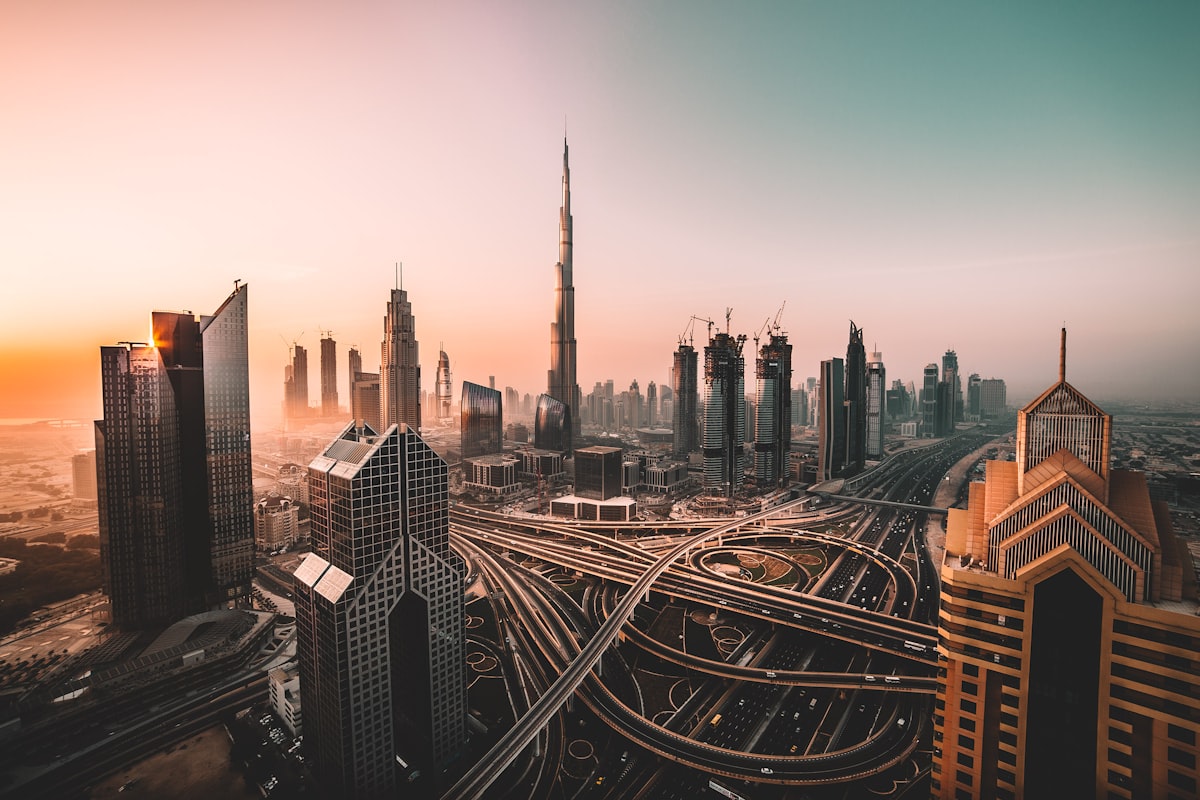
While the world processed Trump's regime-change declaration, the residents and maritime authorities of Dubai were confronting a far more immediate and visceral reality. At approximately 12:10 a.m. on March 31, an Iranian-origin drone struck the Al Salmi, a Very Large Crude Carrier sailing under the Kuwaiti flag, while the vessel was positioned at Dubai Port anchorage.
The attack triggered a fire onboard the massive tanker and caused damage to the hull, raising immediate fears of a catastrophic oil spill in one of the world's most commercially vital waterways. VLCCs are among the largest vessels afloat, capable of carrying upwards of two million barrels of crude oil, and any significant breach of their hull integrity in a port environment represents an environmental and economic nightmare scenario.
"Dubai maritime response teams were deployed within minutes of the attack. The fire was extinguished and all twenty-four crew members were confirmed safe. We are currently assessing hull integrity and monitoring for any potential oil discharge into surrounding waters."
— Dubai Maritime Authority statement, March 31, 2026
The rapid and effective response by Dubai's maritime emergency teams prevented what could have been a far greater disaster. The fire was extinguished before it could spread to the tanker's cargo holds, and all twenty-four crew members aboard the Al Salmi were confirmed safe. However, the hull damage sustained in the strike remains a matter of serious concern, with salvage and environmental assessment teams working through the early morning hours to determine the extent of structural compromise and whether any crude oil had begun to leak into the waters around Dubai Port.
An Escalation at Dubai's Doorstep
The attack on the Al Salmi represents a significant and deeply troubling escalation in the Gulf War. For the first thirty days of the conflict, the fighting had been largely concentrated in and around Iranian territory, the Strait of Hormuz, and targeted strikes against infrastructure in Kuwait — which Iran has subjected to repeated attacks on water and power facilities in apparent retaliation for Kuwait's perceived alignment with the US-led campaign.
Dubai, and the United Arab Emirates more broadly, had maintained a careful posture throughout the conflict, seeking to balance its strategic partnership with Washington against its extensive economic ties with Iran and its desire to avoid being drawn into a war that could devastate its position as the region's premier commercial hub. The drone strike on the Al Salmi shatters the implicit buffer that Dubai's neutrality was thought to provide.
Why the Dubai Port Attack Matters
- First strike in UAE waters: This is the first confirmed attack on a vessel within Dubai's port anchorage zone since the war began, crossing a previously unbreached geographical threshold.
- Economic implications: Dubai Port is one of the busiest maritime hubs in the world. Any perception that vessels anchored there are vulnerable to attack could trigger a mass rerouting of commercial shipping, with cascading effects on global trade.
- Environmental risk: A VLCC oil spill in Dubai's coastal waters would be an environmental catastrophe affecting desalination plants, marine ecosystems, and the tourism industry.
- Insurance and shipping costs: War-risk insurance premiums for vessels operating in the Gulf are expected to surge following this attack, adding further inflationary pressure to global energy costs.
The targeting of a Kuwaiti vessel is consistent with Iran's pattern of retaliatory strikes against nations it views as complicit in the US military campaign. Kuwait's water and power infrastructure has been repeatedly hit over the past month, and the attack on a Kuwaiti-flagged tanker — albeit one anchored in UAE waters — extends this campaign into the maritime domain and onto the sovereign territory of a nation that has thus far avoided direct involvement in the fighting.
Dubai's Maritime Response
Dubai's emergency response to the Al Salmi attack was swift and well-coordinated, reflecting the city-state's significant investment in maritime security infrastructure. Response teams were deployed within minutes of the drone impact, arriving at the stricken tanker with firefighting vessels and containment equipment. The fire was brought under control before it could threaten the ship's cargo tanks, a development that authorities described as critical in preventing a worst-case outcome.
Port operations at Dubai were temporarily suspended in the immediate aftermath of the attack as authorities conducted security sweeps and assessed whether additional threats were present. The suspension, while brief, sent ripples through global shipping schedules and underscored the fragility of maritime commerce in a region that handles a substantial proportion of the world's seaborne oil trade.
The UAE government has not yet issued a formal public response to the attack beyond the operational statements from maritime authorities. Diplomatic sources, however, indicate intense behind-the-scenes activity, with Abu Dhabi weighing its options in a situation that has fundamentally altered the emirate's calculus regarding the conflict. The attack places the UAE in an extraordinarily difficult position: failure to respond could be seen as an invitation for further strikes, while a forceful response risks drawing the country fully into a war it has worked assiduously to avoid.
Iran's Expanding Campaign Against Gulf Infrastructure
The drone strike on the Al Salmi must be understood within the context of Iran's broader strategy of targeting civilian and economic infrastructure across the Gulf. Over the thirty-one days of the conflict, Iranian forces have conducted a sustained campaign against critical facilities in Kuwait, with water treatment plants and electrical power stations bearing the brunt of these attacks.
This targeting of civilian infrastructure constitutes a clear violation of international humanitarian law, which prohibits attacks on objects indispensable to the survival of the civilian population. The strikes on Kuwaiti water facilities are particularly alarming given the country's near-total dependence on desalination for its fresh water supply. Any sustained disruption to these systems poses an existential threat to Kuwait's civilian population that transcends the military dimensions of the conflict.
The expansion of this infrastructure-targeting campaign to include maritime assets at Dubai Port suggests that Iran is either broadening its list of retaliatory targets or losing the ability to precisely control the scope and direction of its drone operations — neither interpretation being reassuring for the civilian populations of Gulf states.
Global Energy Markets in Turmoil
The dual developments of Trump's regime-change claim and the Dubai Port attack have sent global energy markets into their most volatile session since the war began. Brent crude futures surged in early Asian trading on Monday, with traders pricing in the increased risk to Gulf shipping lanes and port facilities that the Al Salmi attack represents.
The attack on a VLCC at anchor — rather than in transit through a contested waterway — is particularly significant for market pricing because it suggests that no vessel in the Gulf is safe, regardless of its location or operational status. Previous market models had assumed that vessels at anchor in ports of non-belligerent nations enjoyed a reasonable degree of protection. That assumption has now been invalidated.
Insurance industry sources indicate that war-risk premiums for vessels operating anywhere in the Persian Gulf, Gulf of Oman, and Arabian Sea are expected to increase dramatically in the coming days. Several major shipping lines have already announced that they are reviewing their Gulf operations, with some reportedly considering rerouting cargoes around the Cape of Good Hope — a detour that adds weeks to transit times and significant cost to every barrel of oil shipped from the region.
The Diplomatic Landscape: Deadlock Despite Devastation
Perhaps the most troubling aspect of the current situation is the complete absence of a viable diplomatic pathway to de-escalation. Trump's claim of regime change, while triumphalist in tone, does not address the fundamental question of who in Iran has the authority to negotiate, let alone sign, any agreement to end hostilities. If the senior leadership has indeed been eliminated, the resulting power vacuum could produce chaos rather than capitulation — a scenario in which drone attacks like the one on the Al Salmi become more frequent rather than less.
Iran's characterization of US proposals as "excessive, unrealistic, and unreasonable" suggests that whatever remains of the Iranian decision-making apparatus is not inclined toward surrender on American terms. The historical precedent of nations that have lost their senior leadership to military action — from Iraq to Libya — offers little comfort, as the aftermath in those cases was prolonged instability rather than the orderly transition that Trump's rhetoric implies.
Pakistan's mediation efforts, while commendable, are constrained by the enormous gap between the parties' positions and by Islamabad's own complex set of interests and vulnerabilities. Pakistan cannot afford to alienate either Washington or Tehran, and its role as intermediary exposes it to pressure and potential retribution from both sides.
What Comes Next for Dubai and the UAE
For Dubai and the broader UAE, the Al Salmi attack marks a before-and-after moment. The emirate's carefully cultivated image as a safe haven for business and commerce in an otherwise volatile region has been directly challenged. The question now is not whether the attack will have consequences, but how profound and lasting those consequences will be.
Dubai's port and free-zone ecosystem is the backbone of the emirate's economy, handling trade volumes that make it one of the top ten busiest ports in the world. Any sustained threat to vessels in its waters could trigger a reassessment by the global shipping and logistics industry that would have ramifications far beyond the current conflict.
The UAE's leadership faces a set of decisions that will define the country's trajectory for years to come. The response to the Al Salmi attack — whether diplomatic, military, or a combination of both — will signal to Iran, to Washington, and to the world where the UAE stands in a conflict that has now, unmistakably, arrived at its shores.
As Day 31 of the Gulf War draws to a close, the only certainty is that the conflict has entered a new and more dangerous phase. The war is no longer a distant event playing out on screens and in headlines. For the crew of the Al Salmi, for the maritime workers at Dubai Port, and for the millions of residents who woke to news of an attack in their waters, the war is here. And the path to its conclusion has never looked more uncertain.