In a moment that signals the UAE's determination to remain a global technology leader even amid regional conflict, the Stargate UAE project officially broke ground in Abu Dhabi on March 20, 2026. The $30 billion artificial intelligence campus, a landmark partnership between UAE-based AI powerhouse G42, OpenAI, NVIDIA, and Oracle, will become the world's largest dedicated AI infrastructure when completed, spanning approximately 10 square miles of purpose-built facilities in the Masdar City technology zone. The project represents the first deployment under OpenAI's ambitious "OpenAI for Countries" initiative, which aims to establish sovereign AI infrastructure in allied nations around the world.
A Campus of Unprecedented Scale
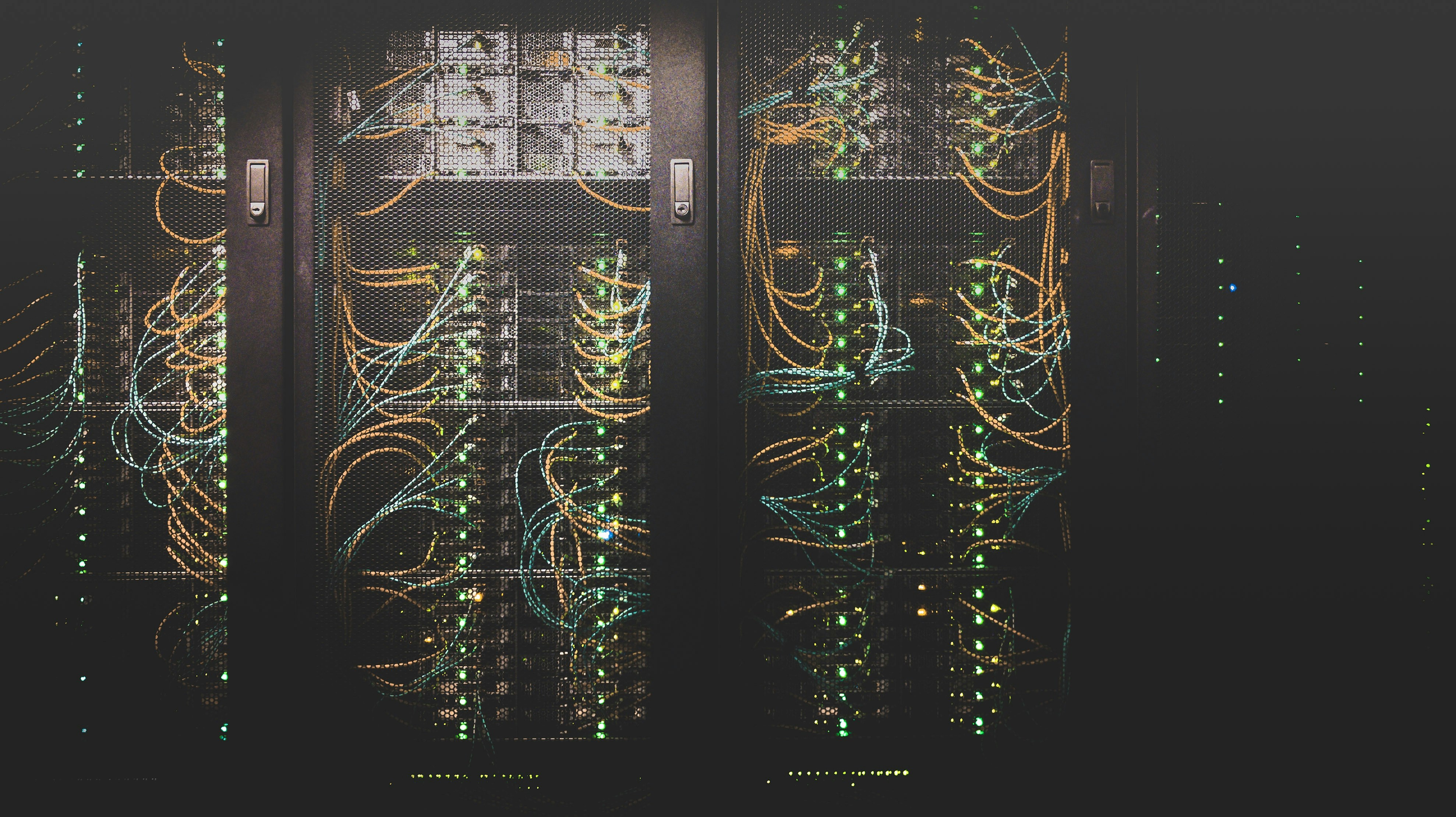
The Stargate UAE campus dwarfs every existing data center and AI research facility on the planet. At 10 square miles, the complex will be larger than some small cities, encompassing multiple interconnected data centers, research laboratories, testing facilities, power generation plants, and cooling infrastructure. The facility is designed to house over one million advanced AI accelerator chips, primarily NVIDIA's next-generation Blackwell Ultra and successor architectures, creating a compute cluster with raw processing power that exceeds the combined capacity of every commercial AI data center currently operating in Europe.
Stargate UAE by the Numbers
$30B
Total Investment
10
Square Miles
5 GW
Power Capacity
1M+
AI Accelerator Chips
The power requirements alone illustrate the scale of the undertaking. At full capacity, the campus will consume up to 5 gigawatts of electricity, equivalent to the entire power consumption of a mid-sized European country like Croatia or Lithuania. To meet this demand, the project includes the construction of dedicated power generation facilities combining natural gas turbines for baseload power with a massive 1.5 gigawatt solar array and battery storage systems. The Abu Dhabi Department of Energy has approved a dedicated transmission corridor connecting the campus to the national grid, with additional backup capacity from Emirates Nuclear Energy Corporation's Barakah nuclear power plant.
The Partnership Structure
The Stargate UAE project represents a carefully structured partnership that balances commercial interests with sovereign control. G42, the Abu Dhabi-based artificial intelligence and cloud computing company chaired by Sheikh Tahnoon bin Zayed Al Nahyan, serves as the majority stakeholder and local operating partner. The company will hold 60 percent of the venture, reflecting the UAE government's insistence that its sovereign AI infrastructure remain under national control.
OpenAI contributes its AI models, training methodologies, and research expertise, receiving a 20 percent stake in the venture. Under the agreement, Stargate UAE will have access to OpenAI's most advanced models, including future generations that have not yet been released publicly, for deployment within the UAE's sovereign compute infrastructure. This access represents one of the most significant technology transfer agreements in the AI industry's history, giving the UAE capabilities that are otherwise available only to a handful of nations.
"Stargate UAE represents the future of sovereign AI infrastructure. Every nation will need its own AI compute capacity, just as every nation needs its own electricity grid and telecommunications network. The UAE is leading the way in recognizing this reality and building accordingly."
-- Sam Altman, CEO of OpenAI, at the groundbreaking ceremony
NVIDIA holds a 12 percent stake and will serve as the primary supplier of AI accelerator hardware. The company has committed to priority allocation of its most advanced chips to the Stargate UAE project, ensuring the campus will operate at the cutting edge of available compute capability. Oracle holds the remaining 8 percent stake and will provide cloud infrastructure software, database systems, and enterprise integration capabilities.
OpenAI for Countries: The UAE as Pioneer
The Stargate UAE campus is the inaugural project under OpenAI's "OpenAI for Countries" program, announced by CEO Sam Altman in late 2025. The initiative is designed to help allied nations build sovereign AI infrastructure that operates within their own borders and under their own regulatory frameworks, reducing dependence on American cloud providers while maintaining interoperability with the broader OpenAI ecosystem.
The program addresses a growing concern among nations worldwide that dependence on foreign AI infrastructure creates strategic vulnerabilities. By hosting AI models and training data within sovereign territory, participating countries can ensure data residency compliance, maintain control over AI applications in sensitive domains like defense and healthcare, and develop domestic AI capabilities that contribute to economic diversification. For the UAE, which has made artificial intelligence a central pillar of its post-oil economic strategy since the appointment of the world's first Minister of Artificial Intelligence in 2017, the Stargate project represents the culmination of nearly a decade of strategic positioning.
G42's Transformation and Strategic Role
G42 has undergone a dramatic transformation in recent years that positioned it as the ideal local partner for the Stargate project. In 2024, the company divested its Chinese technology partnerships following discussions with U.S. officials, received a $1.5 billion investment from Microsoft, and restructured its operations to align with Western technology standards and security requirements. These moves effectively cleared the path for G42 to receive access to the most advanced American AI technology, including NVIDIA's restricted chip exports and OpenAI's frontier models.
Under the leadership of CEO Peng Xiao and with the backing of Sheikh Tahnoon, one of the most powerful figures in the UAE's ruling establishment, G42 has built a portfolio spanning AI-powered healthcare, autonomous systems, natural language processing in Arabic, and satellite imagery analysis. The company currently operates one of the largest AI compute clusters in the Middle East at its existing facilities in Abu Dhabi, but the Stargate campus will increase its capacity by approximately 50-fold.
Construction Timeline and Employment Impact
Construction of the Stargate UAE campus will proceed in three phases over approximately four years. Phase One, scheduled for completion by the end of 2027, will deliver the first two data center buildings with an initial capacity of 1 gigawatt, along with core power infrastructure and cooling systems. Phase Two, expected to be operational by mid-2028, will add three additional data center buildings, the solar power array, and the primary research laboratories. Phase Three, completing the full campus by 2030, will bring the facility to its design capacity of 5 gigawatts and include the advanced manufacturing and testing facilities.
The project is expected to create approximately 6,000 direct jobs during the construction phase, with a permanent workforce of over 3,500 once fully operational. Critically for the UAE's Emiratization objectives, the partnership agreement includes commitments to ensure that at least 30 percent of the permanent workforce comprises UAE nationals, with dedicated training programs to develop local talent in AI engineering, data center operations, and related fields. G42 has already launched a scholarship program that will send 200 Emirati students annually to leading technology universities in the United States and United Kingdom specifically to build the talent pipeline for the Stargate campus.
What is Sovereign AI Infrastructure?
Sovereign AI infrastructure refers to AI computing facilities built within a nation's own borders and operated under its own legal and regulatory framework. This approach allows countries to maintain control over sensitive data, ensure compliance with local laws, reduce dependence on foreign technology providers, and develop domestic AI capabilities. As AI becomes increasingly central to national security, economic competitiveness, and public services, sovereign AI infrastructure is being viewed by many governments as critical national infrastructure on par with energy grids and telecommunications networks.
Geopolitical Significance Amid Regional Conflict
The timing of the Stargate UAE groundbreaking, coming amid an active military conflict in the Gulf region, carries significant geopolitical weight. The project demonstrates that major Western technology companies remain committed to their UAE partnerships despite the instability created by the Iran conflict. It also reinforces the UAE's position as a critical node in the global technology supply chain, making the country's security and stability a matter of direct interest to some of the world's most powerful corporations.
For the United States, the Stargate UAE project serves multiple strategic objectives. It deepens the technology partnership with a key Gulf ally, provides a commercial framework for AI cooperation that can serve as a model for other partner nations, and ensures that the UAE's massive AI ambitions are channeled through American technology partnerships rather than alternative suppliers. The project also addresses concerns about the concentration of AI compute capacity in a small number of locations, primarily in the United States, by distributing advanced AI infrastructure to allied nations in strategically important regions.
Industry analysts noted that the Stargate UAE announcement puts additional pressure on competing initiatives. China's efforts to build AI infrastructure partnerships in the Gulf have been significantly hampered by the U.S. technology restrictions that led to G42's divestiture of Chinese partnerships. European efforts to build sovereign AI capacity have proceeded more slowly due to regulatory complexity and lower levels of government investment. With the Stargate project, the UAE is positioned to become the AI hub not just for the Middle East but potentially for South Asia, Africa, and Central Asia as well.
Looking Ahead: The AI-Powered Economy
The Stargate UAE campus, when fully operational, will provide the computational foundation for a new generation of AI applications across the UAE's economy. Government officials have outlined plans to use the sovereign AI infrastructure for advanced healthcare diagnostics and drug discovery, autonomous transportation systems, Arabic-language AI models for education and government services, financial fraud detection and market analysis, climate modeling and environmental monitoring, and defense and security applications. The campus will also serve as a commercial platform, offering AI compute services to businesses and governments across the Middle East and beyond, creating a new revenue stream that contributes to the UAE's economic diversification strategy.
As Sam Altman noted during the groundbreaking ceremony, "The age of AI requires infrastructure on a scale that the world has never seen before. The UAE understands this, and with Stargate UAE, it is building the foundation for an AI-powered future that will benefit not just this nation but the entire region." With a $30 billion investment, the backing of the world's leading AI companies, and the full support of the UAE government, the Stargate project represents perhaps the most ambitious bet any nation has placed on artificial intelligence as the engine of future prosperity.