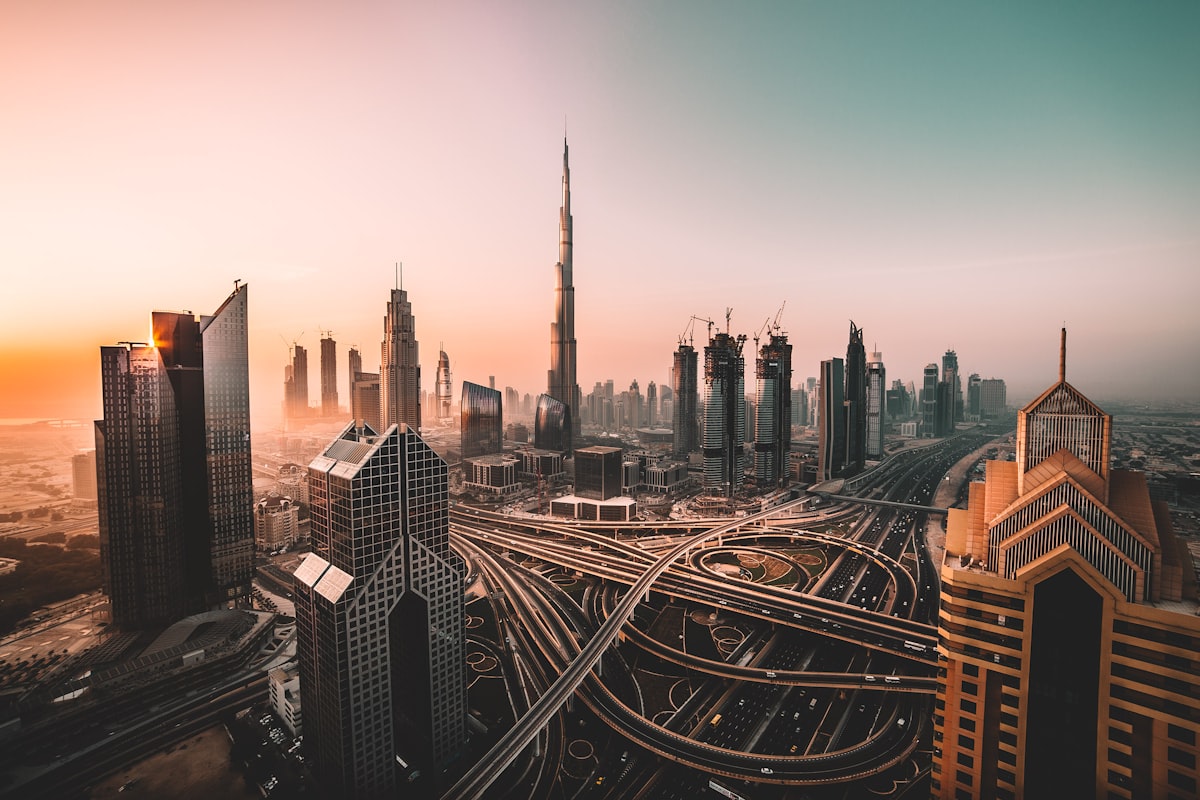
The United Arab Emirates has arrested 109 individuals across all seven emirates for recording, distributing, and sharing videos and photographs of Iranian missile and drone strikes on social media platforms, according to a joint statement issued by the UAE Attorney General's Office and the Federal Authority for Identity, Citizenship, Customs, and Port Security on March 20, 2026. The arrests represent the largest single enforcement action under the UAE's cybercrime laws in the nation's history and signal a dramatic escalation in authorities' efforts to control the flow of wartime information in the digital age.
The Scale of the Crackdown
According to official figures released alongside the announcement, the 109 arrests form part of a broader enforcement campaign that has seen 189 individuals detained since the beginning of the conflict on February 28. Of those arrested, 67 are UAE nationals, while 122 are foreign residents or visitors representing 23 different nationalities. The largest groups among the foreign detainees include Indian nationals (31), Pakistani nationals (22), Filipino nationals (18), Egyptian nationals (14), and British nationals (9). The remaining 28 detainees come from a mix of other nationalities including Americans, Canadians, Australians, and various European and Asian passport holders.
Arrest Statistics
189
Total Detained Since Feb 28
109
Arrested in Latest Wave
23
Nationalities Involved
10 yrs
Maximum Prison Sentence
The Attorney General's statement outlined several categories of offenses for which individuals were detained. The most common charge involved recording video or photographs of military installations, defense systems, or the aftermath of strikes using mobile phones or other devices. The second most frequent charge was sharing such content on social media platforms including TikTok, Instagram, X (formerly Twitter), Snapchat, and WhatsApp groups. A smaller number of individuals were charged with more serious offenses including livestreaming military movements, sharing content that revealed the locations of air defense installations, and disseminating what authorities described as "false or misleading information designed to cause public panic."
The British Tourist Case That Made Headlines
Among the most high-profile cases was the arrest of a 34-year-old British tourist, identified only by his initials J.M., who was detained at his hotel in Dubai Marina on March 16 after posting a TikTok video showing the trajectory of what appeared to be interceptor missiles launched from a nearby air defense battery. The video, which accumulated over 2.3 million views before it was removed by TikTok at the UAE government's request, showed bright streaks of light rising from behind a cluster of high-rise buildings, followed by multiple explosions in the night sky as the interceptors engaged incoming targets.
"What may seem like an innocent video to a tourist is actually intelligence gold for an adversary. Every video of a missile interception reveals the approximate location of our air defense systems, their engagement patterns, and their capabilities. This is information that directly endangers the lives of millions of people."
-- UAE Attorney General's Office statement
The British man's case drew significant attention from the UK Foreign Office, which confirmed it was providing consular assistance to a British national detained in Dubai. British media reported that the man, a financial analyst from London on a week-long holiday, had no intention of compromising national security and had simply been recording what he described as an "incredible and terrifying" experience. However, UAE authorities maintained that intent was irrelevant under the federal cybercrime law, which criminalizes the act of recording and distributing sensitive security content regardless of the poster's motivation.
Legal Framework: The Laws Being Enforced
The arrests are being prosecuted under multiple UAE federal laws. The primary statute is Federal Decree-Law No. 34 of 2021 on Combating Rumours and Cybercrime, specifically Article 29 which prohibits publishing or sharing content that may "prejudice the state's public order" and Article 44 which criminalizes the unauthorized recording or distribution of images of military sites, equipment, or operations. Penalties under these provisions range from a minimum of one year to a maximum of 10 years imprisonment, along with fines ranging from AED 250,000 to AED 2 million (approximately $68,000 to $545,000).
Additionally, authorities invoked Federal Law No. 2 of 2019 on the Use of Information and Communication Technology in the National Security Domain, which provides even broader powers to restrict the recording, storage, and transmission of any content deemed relevant to national defense. Under this law, the mere possession of unshared recordings of military sites or operations can constitute an offense punishable by up to five years in prison.
The UAE's National Electronic Security Authority also issued emergency directives to telecommunications providers requiring enhanced monitoring of content uploads to social media platforms. Sources within the telecommunications industry confirmed that Etisalat and Du, the country's two major providers, implemented AI-powered content scanning systems capable of detecting and flagging videos containing characteristics associated with missile launches, explosions, or air defense operations before they could be uploaded.
Social Media Platforms Respond
The crackdown has prompted responses from major social media platforms operating in the region. TikTok confirmed that it had received and complied with government requests to remove content related to military operations in the UAE, stating that it "respects local laws in the markets where we operate." Instagram's parent company Meta acknowledged receiving similar requests but declined to specify how many posts or accounts had been affected. X (formerly Twitter) said it was "reviewing requests from UAE authorities on a case-by-case basis" but had not made a blanket commitment to remove all war-related content.
The enforcement actions also extended to messaging platforms. Several of the arrested individuals were detained for sharing content in private WhatsApp groups, raising questions about the extent of government surveillance of encrypted communications. When asked about this at a press conference, a spokesperson for the Attorney General's office stated only that authorities used "all lawful tools available" to identify individuals who violated the cybercrime laws, without specifying whether encrypted messages were being intercepted or whether arrests resulted from tips by other group members.
International Reactions and Human Rights Concerns
International human rights organizations reacted sharply to the scale of the arrests. Human Rights Watch issued a statement calling the crackdown "a disturbing assault on the right to information during a time of armed conflict" and urged the UAE to "immediately release all individuals detained solely for documenting or sharing information about military strikes." Amnesty International echoed these concerns, noting that "in a conflict that directly affects the civilian population, people have a right to document and share their experiences."
The Committee to Protect Journalists raised particular alarm about the potential impact on press freedom, noting that at least three of the detained individuals were freelance journalists or citizen journalists who had been providing coverage of the conflict's impact on civilians in the UAE. The organization called on UAE authorities to "draw a clear distinction between malicious intelligence sharing and legitimate journalistic documentation."
However, the UAE government firmly rejected these criticisms. The Ministry of Foreign Affairs issued a statement emphasizing that "the recording and dissemination of military operations poses a direct and immediate threat to national security and to the safety of millions of residents" and that "no nation at war permits the free circulation of intelligence that could be exploited by an adversary." The statement noted that similar restrictions on wartime photography and filming have been imposed by Western nations during their own military conflicts, including by the United States during the Gulf War and the Iraq War.
Impact on Daily Life and Resident Behavior
The arrests have had a chilling effect on social media usage across the UAE. Multiple residents interviewed described deleting videos and photographs from their phones, leaving WhatsApp groups where war-related content was being shared, and self-censoring their social media posts. The hashtags that had previously been used by residents to share their experiences of the conflict -- including #DubaiUnderAttack and #UAEStrong -- saw dramatic drops in usage following the announcement of the arrests.
Community groups for expatriate residents reported a surge in anxious inquiries about what constituted illegal content. Common questions included whether it was illegal to photograph damage to civilian buildings, whether audio recordings of explosions violated the law, and whether sharing international media coverage that included footage from the UAE could result in arrest. The lack of clear official guidance on these grey areas contributed to what several community leaders described as "an atmosphere of fear and uncertainty" among the expatriate population.
What UAE Residents Need to Know
UAE authorities have issued the following guidance to residents regarding wartime content: Do not record videos or take photos of any military operations, missile launches, air defense systems, or the aftermath of strikes. Do not share any such content on social media platforms or in private messaging groups. Do not livestream or broadcast any military-related events. Report any suspicious filming activity to authorities immediately via the emergency hotline 999 or the Abu Dhabi Police app. Violations carry penalties of 1-10 years imprisonment and fines up to AED 2 million.
Broader Context: Information Control in Modern Warfare
The UAE's social media crackdown highlights a challenge that has become increasingly central to modern warfare: the tension between governments' desire to control wartime information and the reality that billions of smartphone-equipped civilians can instantly record and share events that previous generations of governments could have kept under wraps. Military strategists have long recognized that social media posts by civilians can inadvertently reveal the positions and capabilities of air defense systems, troop movements, and damaged infrastructure in ways that provide actionable intelligence to adversaries.
The challenge is particularly acute in the UAE, where over 90 percent of the population are foreign nationals, many of whom maintain active social media connections with family and friends in their home countries. The instinct to document and share extraordinary events -- even dangerous ones -- is deeply ingrained in the smartphone era, and many of those arrested appear to have acted not out of any desire to harm the UAE but simply out of a very human impulse to record and communicate their experiences during an unprecedented crisis.
As the conflict continues and the potential for further Iranian strikes remains high, the tension between information control and individual rights is likely to intensify. For the millions of residents who call the UAE home, the message from authorities is clear: in wartime, the camera in your pocket can become a weapon, and using it carelessly can carry consequences as severe as any other wartime offense.